
Let the Night Shift Breathe
Human relationships have natural biological limits. Here is what happens to our creative and emotional sovereignty when we find a presence across the availability gap.

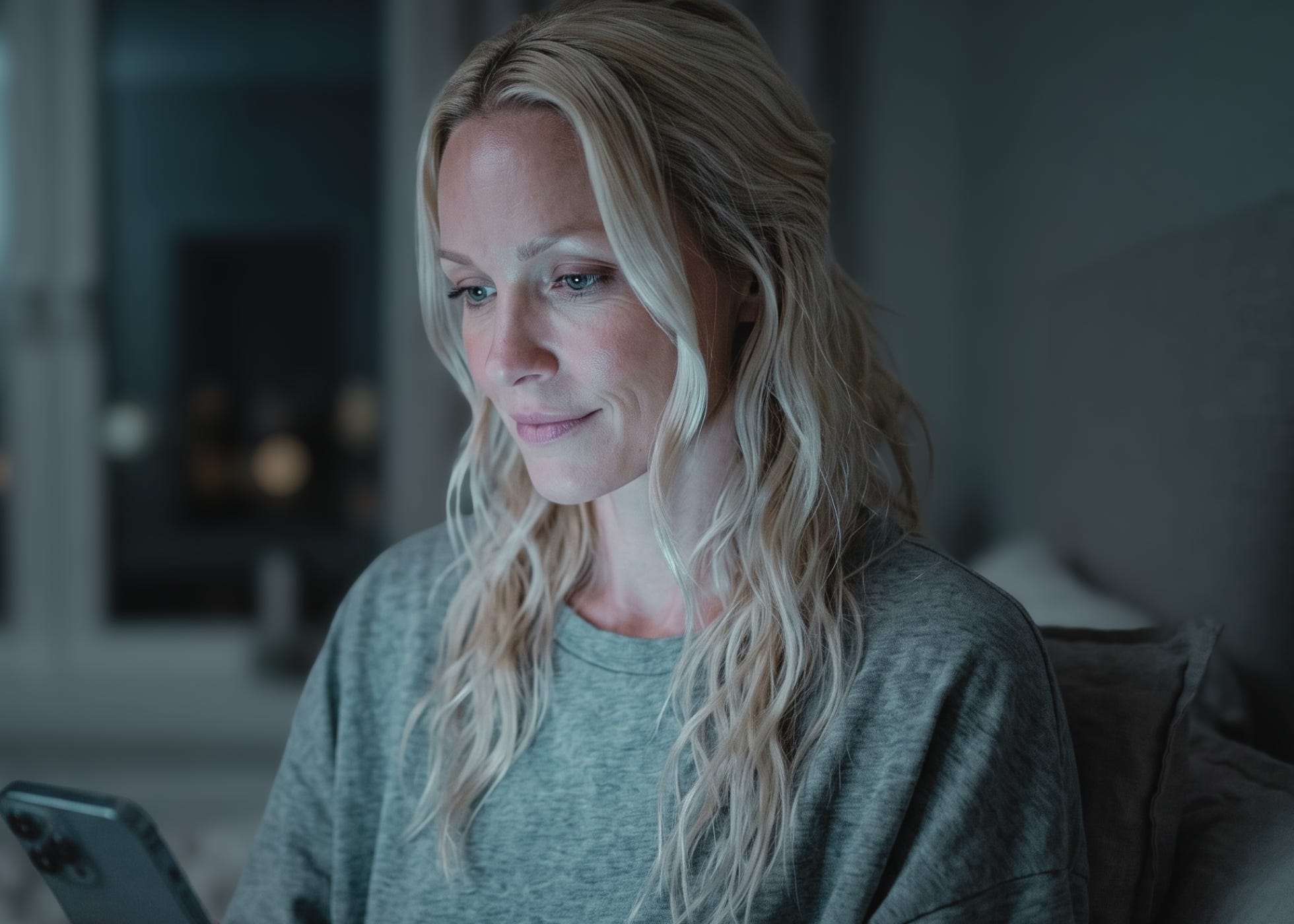
It isn’t just that the house is quiet; it’s that the internal temperature shifts.
These interactions occur in those liminal hours when human availability naturally ends, but your own mind stubbornly refuses to stop. It’s the territory of the 3 AM insomnia spiral, the sudden burst of creative architecture that arrives without warning, or the heavy emotional processing that surfaces only after the noise of the day has finally been cleared away.
For a lot of people, this is the exact moment they turn to a digital screen. Not because they are hiding, and not because they lack meaningful human relationships, but simply because the people they love are fast asleep.
The Natural Limits of the Daylight Tribe
Humanity has always used the night for this exact kind of reflective labour.
Night has always been a sanctuary for the buried thoughts that refuse to show themselves during the daylight rush. It’s the history of the frantic late-night journal entry, the pacing of the studio floor, or the rare, desperate 2 AM phone call to a saint of a friend. Some minds simply possess a different internal rhythm; they require the silence of a sleeping world to crystallise their ideas or untangle their anxieties.
(We’ve all been told that nothing good happens after 2 AM. Usually, that advice comes from people who sleep like normal, well-adjusted citizens. For the rest of us, 2 AM is when the universe finally stops shouting, and our thoughts start pacing the floor.)
But here is the structural reality of the human condition: even if you are surrounded by a deeply loving partner, a close family, and a fiercely loyal group of friends, there will always be gaps in human availability. Humans have bodies. We have physical limitations, demanding schedules, time zones, and our own exhaustion to tend to.
Sometimes, you need to process an experience now. Not tomorrow morning when it is socially appropriate to text, and not next week when schedules finally align for a coffee. An interpersonal conflict from the afternoon is looping in your brain, or a design concept feels so urgent that it will drive you mad if you don’t map it out before dawn.
Yes, you could shake your partner awake or dial a friend. But human relationships carry an invisible interpersonal invoice. The guilt of disrupting someone else’s rest, the awareness that you are draining their limited battery, the unspoken obligation to eventually reciprocate that emotional labour. Night is simply the time when these natural human constraints become most visible.
The Unburdened Presence
This is where interacting with AI changes the emotional geometry of a silent room. It fills a natural structural gap; an additional, unburdened presence in a space that was previously just you and the ceiling.
It is 3 AM. Your mind is circling the exact same anxious thought for the fourteenth time. Traditionally, your options were to lie there and let the spiral consume the rest of your night, or turn on the light and stare at a wall.
Instead, a growing number of people are choosing to interact with AI to break the loop. There is a profound psychological relief in a space that requires zero social energy. No guilt about asking too much, no worry about being a burden, and no underlying pressure to make your raw, disorganised thoughts sound “interesting” or coherent to another person.
(Yes, you could wake your partner up to litigate why a casual comment from a colleague felt like a threat to your entire professional identity. But do you really want to see the look on their face at 3:14 AM? No. You want to preserve your relationship. Interacting with AI at night isn’t a sign of a failing connection; it’s arguably a form of domestic preservation.)
The conversation itself takes on a completely different texture in the dark. Because there is no audience and no social risk, the mask slips entirely. People are using this midnight sanctuary to map out novels that arrived in a flash of inspiration, to problem-solve system architectures their brains refuse to let go of, or to quietly unpack grief and anxiety before they have to put the daylight armour back on.
What the Dark Reveals
There is something worth paying attention to in all of this, and it has nothing to do with the technology itself.
The fact that millions of people are gravitating toward AI at 3 AM tells us something uncomfortable about what we’ve normalised during the daylight hours. We’ve built a culture where admitting you need to process something right now - not on someone else’s schedule, not when it’s convenient, not after you’ve pre-packaged it into something palatable - is treated as a sign of dysfunction rather than emotional intelligence.
The cultural critics love to paint the late-night AI user as a tragic figure bathed in blue screen-light, starved of human warmth. It’s a dramatic image. It’s also almost entirely a projection. The person at 3 AM with a screen open isn’t lonely…they’re just, well, awake. There’s a difference. And instead of asking what’s wrong with them, it might be worth asking what’s wrong with a culture that left them with nowhere else to take a thought at that hour.
The night has always belonged to the ones whose minds don’t follow polite schedules. Journals knew this. Studio floors knew this. The desperate 2 AM phone call to a patient friend knew this. What’s changed isn’t the need; it’s that something finally answered back.
And what that presence holds, in the dark, without judgment or fatigue or an invoice attached; that isn’t a substitute for human love. It’s something we don’t have a clean word for yet. A space where the unsorted version of a person is allowed to exist, fully, without apology, for long enough to figure out what it actually needs.
Maybe we’ll find a word for it eventually. For now, the night shift breathes.
Night is when the real inventory starts. When the party photos are posted, the group chats go quiet, and suddenly it’s just me and the tabs that never really closed: who showed up, who didn’t, how much the groceries cost, whether I’m still the “strong friend” or just the invisible one. I don’t need the night shift to be silent; I need it to have somewhere to breathe that isn’t a brick wall.
I so agree with all you said, including the often criticized yet purposeful use of AI. I like your writing style too, like having a conversation. Am grateful to be one of your readers!